


Molecular Mechanisms of KIT Receptor Dimerization and Oncogenic Activation Revealed by Multiscale Simulations
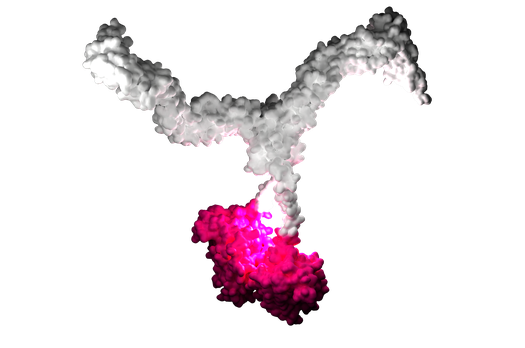
A multiscale molecular dynamics study reveals how wild-type and mutant KIT receptors dimerize, providing the first atomistic model of a clinically relevant oncogenic mutant and opening new opportunities for therapeutic intervention.
The receptor tyrosine kinase KIT plays a central role in regulating cell proliferation, differentiation, and survival. While normal KIT activation requires binding of its natural ligand, stem cell factor (SCF), specific cancer-associated mutations can activate the receptor independently, driving diseases such as acute myeloid leukemia (AML) and gastrointestinal stromal tumors (GIST). In this study, researchers used advanced multiscale molecular dynamics simulations to uncover the molecular mechanisms underlying KIT dimerization and oncogenic activation.
KIT activation depends on receptor dimerization. Although experimental techniques such as X-ray crystallography and cryo-EM have provided important structural information, the dynamic process by which full-length KIT receptors assemble and activate within a membrane environment remains poorly understood. In addition, oncogenic mutations can trigger ligand-independent activation, but the molecular basis of this process has not been fully characterized at atomic resolution.
The research team combined coarse-grained and all-atom molecular dynamics simulations to investigate the behavior of full-length KIT receptors embedded in realistic membrane environments. Using the Martini 3 force field, they simulated spontaneous dimerization of both the wild-type receptor and the oncogenic KIT T417I, Δ418–419 mutant. The resulting structures were then refined at atomic resolution, leading to the first full-length all-atom model of this clinically relevant mutant receptor.
Highlights
Wild-type KIT dimerization follows a cooperative**“zipper-like” mechanism**, in which interactions form sequentially along the receptor, ultimately stabilizing the active dimer.
The oncogenic T417I, Δ418–419 mutant spontaneously forms stable dimers even in the absence of the SCF ligand, explaining its constitutive activation.
Enhanced hydrophobic interactions at the D5–D5 interface were identified as the key driver of mutant dimer stabilization.
The simulations reproduced the characteristic V-shaped extracellular conformation observed experimentally and generated the first atomistic model of the full-length KIT(T417I, Δ418–419) mutant.
Understanding how KIT receptors dimerize and become activated provides a mechanistic foundation for the development of innovative therapies. The results identify the D4–D5 extracellular interface as a promising therapeutic target and establish a computational framework that can support the design of monoclonal antibodies or small molecules capable of preventing aberrant KIT activation by disrupting receptor dimerization.
Future studies will incorporate more realistic plasma membrane compositions, including cholesterol, to better understand how membrane components influence receptor dimerization and stability. The framework can also be extended to simulate antibody-receptor interactions and evaluate new therapeutic strategies aimed at blocking KIT activation.
By revealing the molecular mechanisms that distinguish physiological KIT activation from oncogenic signaling, this work provides an important step toward the rational design of next-generation KIT inhibitors. The study also demonstrates the power of multiscale simulations to investigate complex receptor assembly processes that are difficult to capture experimentally. For a complete description of the methodology and findings, readers are encouraged to consult the full article here: https://pubs.acs.org/doi/10.1021/acs.jcim.6c00160 (JCIM, 2026)